Native Species Aquaculture for Livelihood, Food Security & Conservation
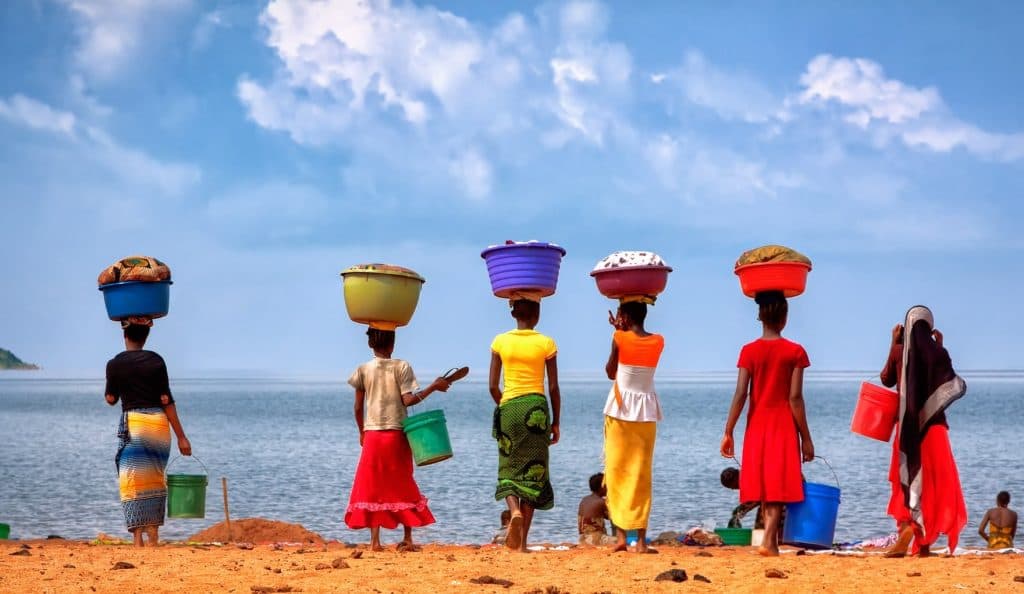
Tanzania, Tanganyika lake, January'28'12 .The women came to the laundry to the lake Tanganyika
The Native Species Aquaculture project is a nutrition-sensitive aquaculture and food systems initiative that aims to improve food security and dietary quality in inland communities around Lake Tanganyika, Tanzania, by strengthening sustainable fish value chains and increasing access to native fish.
Moving beyond a focus on availability alone, the project addresses how fish is distributed, accessed, and consumed, recognising that nutrition outcomes depend on affordability, market access, consumer preferences, and dietary behaviour. The project emphasizes the inclusion of smallholder farmers and local communities in aquaculture operations to maximize impact and empower stakeholders.
The challenge
Addressing barriers to access, distribution, and consumption of fish in inland communities.
Tanzania faces high rates of chronic malnutrition, particularly in rural areas around Lake Tanganyika, where poor access to diverse, nutritious diets contributes to widespread stunting, anaemia, and iron deficiencies. With fish being a rich source of protein and essential micronutrients, its potential to improve diets remains underutilized due to declining wild fish stocks, limited distribution networks, and high costs. By 2050, the region is projected to face an annual fish supply gap of 500,000 tons. Despite the nutritional value of fish, inland communities face persistent barriers to accessing fresh, affordable, and safe fish. Factors such as distance from production sites, weak distribution systems, limited cold chain infrastructure, and price volatility prevent consistent consumption, particularly among vulnerable households. As a result, many communities rely on dried or infrequently available fish, contributing to limited dietary diversity and inadequate intake of key nutrients. These challenges are compounded by gaps in understanding consumer preferences, purchasing behaviour, and the broader food environment shaping fish consumption. Addressing food insecurity in these settings, therefore, requires not only increasing supply but also strengthening value chains and generating
evidence on how access, affordability, and demand interact to improve the quality of the diet and nutrition outcomes
Our solution
Strengthening nutrition-sensitive fish value chains to improve access and dietary outcomes.
The Native Species Aquaculture project addresses food insecurity by developing a sustainable aquaculture sector centred on native fish species in Lake Tanganyika. By cultivating indigenous species, the project aims to reduce pressure on declining wild fish stocks while protecting the lake’s biodiversity and ecological integrity. The project strengthens fish value chains from hatchery development to cold-chain distribution, ensuring that aquaculture growth is environmentally responsible and economically viable. Through improved market systems, cold-chain infrastructure, and inclusive distribution networks, this initiative enhances reliable access to fish while supporting smallholder participation and local livelihoods. By aligning aquaculture development with conservation principles and community engagement, this project promotes a model of growth that safeguards ecosystems while contributing to food availability and long-term food system stability.
Sight and Life contributes to this project by focusing on key aspects of the aquaculture supply chain and dietary outcomes:
Improved Cold-chain Fish Distribution Channels
Sight and Life plays a pivotal role in ensuring that fish from aquaculture reach consumers safely and efficiently. This involves:
- Supporting the establishment of two cold-chain hubs in strategic locations to enhance distribution.
- Conducting shelf-life and distribution trials to improve coverage and food safety, comparing different preservation methods.
- Developing protocols and standard operating procedures for cold-chain operators, distributors, and sellers to maintain fish quality throughout the supply chain.
- Partnering with transportation companies and local distributors to expand reach and market access, including small-scale distributors, ensuring equitable access to sustainably produced fish.
Demand Generation for Sustainable Fish Protein
Sight and Life contributes to assessing fish value chains and promoting fish consumption in local communities. This includes:
- Assessing fish value chains to better understand how fish protein reaches vulnerable groups and identifying opportunities for expanding access.
- Conducting nutritional assessments to highlight gaps in local diets and integrating fish protein into the local diet.
- Supporting demand-generation activities, including a social marketing campaign to increase awareness and encourage fish consumption.
- Monitoring dietary changes and evaluating the success of these interventions to ensure lasting impact.
These approaches integrate market assessments, capacity-building, and social marketing to ensure that the fish distribution and consumption networks are inclusive, sustainable, and culturally appropriate for the communities around Lake Tanganyika in the region of Kigoma. By focusing on local resources and empowering communities, the Native Species Aquaculture project seeks to create a lasting impact on food security and nutrition in the region.
The impact
Improved food security and livelihoods through sustainable aquaculture, restored native fish systems and access to sustainable fish protein.
Impact Targets
- >80’000 people supplied with sustainably produced fish through inclusive supply chains
- Increased diverse diets for 50’000 households in the region
- Expanded safe fish distribution across 10 districts through strengthened cold-chain systems
By addressing both food security and sustainable livelihoods, the project is set to increase fish availability, improve dietary diversity, and protect Lake Tanganyika’s biodiversity. Key impacts will include improved access to fish protein, livelihood opportunities for local communities, and increased local capacity through training and skills development. Additionally, the project aims to support Tanzania’s Blue Economy Strategy, with policy advocacy and transboundary collaboration ensuring that aquaculture growth is ecologically and socially sustainable
Tags
- Location: Tanzania
- Thematic Area of Work: Climate-Friendly Food Systems
- Partners: SUSTAIN Switzerland GmbH, Tanganyika Blue
Projects in Stage 1: Converting scientific knowledge into evidence-based solutions



Projects in Stage 2: Transforming solutions into sustainable business models

Projects in Stage 3: Scaling business models to end public health challenges

Discover more
Why tackle malnutrition
Understand how malnutrition affects our collective future
Global footprint
Discover our key projects across the world
Our impact
Learn about the impact we have made on the ground so far
What we do
Discover the principles and work that shape our impact